Why the Purple Font is a Go-To for Playful Design Projects
Every designer, crafter, or small business owner knows the feeling: you're staring at a blank canvas, and the entire project hinges on finding that one perfect typeface. You need something that's not too serious, not too childish, but just right. If your work involves kids' activities, school projects, or any brand that wants to feel approachable and fun, you've likely spent hours scrolling through endless font libraries. Let's talk about a typeface that cuts through the noise: Purple.
A Typeface That Doesn't Take Itself Too Seriously
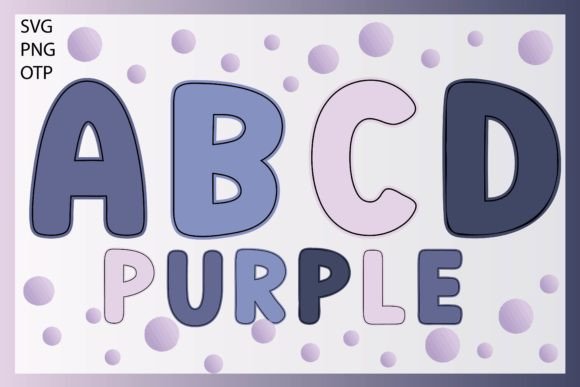
Purple is a neat and casual display font, and that's exactly its strength. It embodies a simplicity that feels fresh and unpretentious. Think of the clean lines of a favorite notebook or the clear, friendly lettering on a well-loved board game. It avoids the overly ornate details that can feel dated or the stark minimalism that can feel cold. This balance makes it incredibly versatile. It’s a premium font in terms of its utility and design, but it wears its professionalism lightly. The personality is upbeat and clear, which is precisely what you need when the goal is engagement, not intimidation.
Where Does a Font Like Purple Shine?
The true test of any creative font is its real-world application. Purple isn't just a pretty set of letters; it's a practical design asset for a wide range of projects. Its casual display nature makes it ideal for headlines, logos, and any text that needs to grab attention without shouting.
Consider its use in logo design for a children's tutoring center, a family-friendly café, or a maker of educational toys. It communicates warmth and reliability. For packaging design, especially for products aimed at kids or for artisanal goods with a homemade feel, Purple can make a product feel accessible and trustworthy. On social media graphics, it helps create consistent, eye-catching posts that stand out in a crowded feed. It's also excellent for blog headers, website banners for relevant niches, and editorial design in magazines or activity books.
Think about print materials like posters for school events, invitations for birthday parties, or worksheets. The font's clarity ensures readability, while its personality keeps the material engaging. For merchandise like t-shirts, tote bags, or stickers, a font like Purple can become a recognizable part of a brand's visual identity.
Building a Cohesive Visual Identity
One of the biggest challenges in branding and marketing is maintaining visual consistency. A font like Purple can become the cornerstone of a brand identity for certain businesses. When used consistently across all touchpoints—from the website to social media to printed flyers—it builds brand recognition. Your audience starts to associate that friendly, clear typeface with your business's values and personality.
This consistency also improves professional presentation. A mismatched or poorly chosen font can make a project look amateurish, even if the content is good. By selecting a purpose-driven typeface like Purple and using it intentionally, you signal that every detail has been considered. This, in turn, boosts audience engagement. People are more likely to read and interact with content that feels welcoming and is easy to digest.
Practical Tips for Using This Display Font
Choosing the right font style is just the first step. Here’s how to get the most out of a typeface like Purple.
Test Your Font Pairings: A display font like Purple is designed for impact, not for long paragraphs of body text. Pair it with a clean, highly readable sans serif font or a simple serif font for any extended copy. The contrast will make both fonts work better, with Purple handling the headlines and the secondary font handling the details.
Consider Readability: Always consider the context. Purple is a creative font, so test it at the size it will be used. Its casual style is clear, but for very small text or in low-contrast situations, you might need to switch to a more utilitarian typeface. Its strength is in medium to large display applications.
Understand the File Formats: This is a crucial, practical note. Purple is a color font (Opentype-SVG). This means the OTF/TTF files work seamlessly in professional design software like Adobe Photoshop, Illustrator, and others listed. However, they are not compatible with Cricut machines. If you're a crafter using a Cricut, you'll need to use a standard, non-SVG version of a font for your projects. Always check compatibility before purchasing for specific software or hardware.
Review the Included Styles: Before you start a project, check what's in the font package. Does it include multiple weights, stylistic alternates, or special characters? Knowing the full toolkit allows you to be more creative and solve specific design problems.
Licensing Matters: If you're using this for a commercial font project—for a client, for merchandise, or for a business—you must ensure you have the correct license. Most foundries offer different licenses for personal and commercial use. Respecting this protects you legally and supports the designers who create these valuable tools.
Finding the Right Fit for Your Creative Vision
Purple isn't trying to be everything to everyone, and that's what makes it effective. It's a specialist. It’s the typeface you reach for when the brief calls for a friendly, clear, and engaging voice. Whether you're developing a brand identity for a new children's product, designing marketing assets for a community event, or creating digital products like printable planners, its personality supports the goal.
In the world of modern typography, there's a place for every style—from elegant script fonts to bold handwritten fonts. Purple carves its niche by being reliably playful and professionally crafted. It reminds us that sometimes, the best design choice is the one that feels natural, approachable, and genuinely fun. The next time your project needs a touch of casual charm, consider giving it a closer look. You might find it's the perfect piece to complete your creative puzzle.