Wavy Line: A Playful Font for Creative & Commercial Projects
Ever look at a design and feel an instant sense of fun, creativity, or approachability? That emotional pull often starts with typography. The right typeface doesn't just display words; it sets a tone, tells a story, and connects with your audience on a visual level. For projects that need to feel artistic, whimsical, or warmly engaging, a font like Wavy Line can be the secret ingredient that transforms a flat layout into something memorable and full of personality.
Understanding the Visual Appeal of a Wavy Typeface
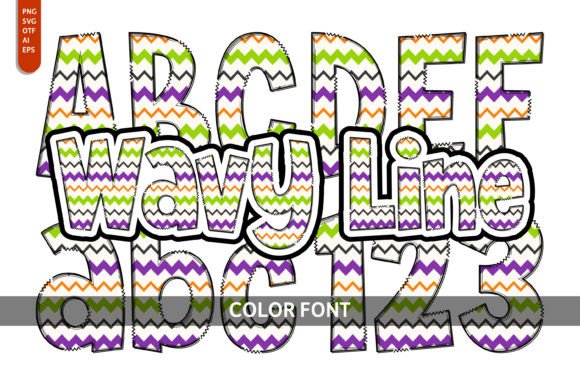
Wavy Line is a display font characterized by its undulating, fluid letterforms. Each character seems to dance with a gentle, organic motion, breaking away from the rigid geometry of standard serif or sans serif fonts. This isn't a font for dense body copy; it's a creative font designed to catch the eye and inject energy into headlines, logos, and short, impactful text blocks. Its visual style is inherently playful and artistic, making it a perfect fit for designs that aim to convey joy, imagination, or a handcrafted feel.
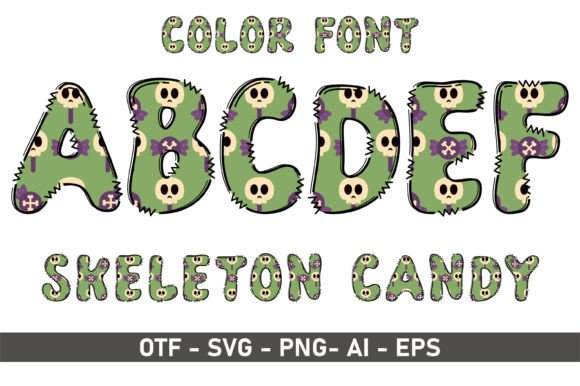
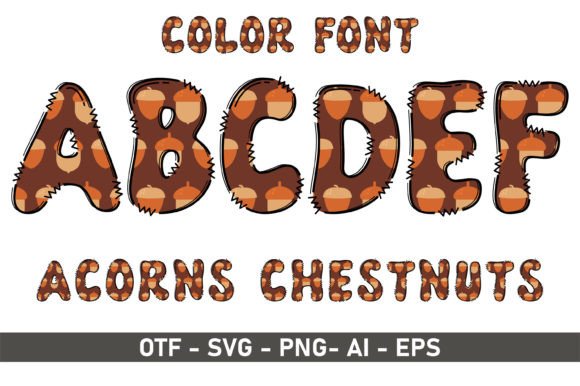
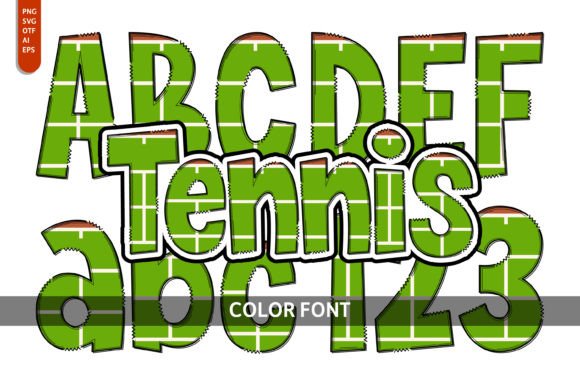
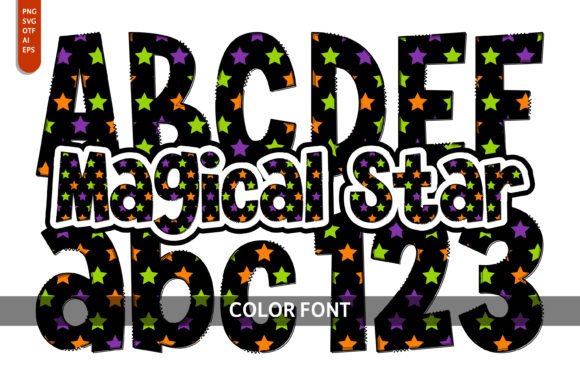
Think about the last time you saw a children's book cover or a vibrant party invitation. The typography likely had a sense of movement and color that made you want to engage. Wavy Line operates on that same principle. As a premium font, it often comes as a color font (OpenType-SVG), meaning the letters themselves can contain multiple colors and gradients directly within the font file. This feature allows for stunning, multi-tonal typography right out of the box, without needing to manually add effects in your design software. It's a game-changer for creating eye-catching social media graphics or packaging design where visual impact is paramount.
Where a Font Like This Truly Shines: Practical Applications
The unique personality of a typeface like Wavy Line makes it incredibly versatile across a range of creative and commercial projects. Its strength lies in applications where you need to grab attention and communicate a specific brand vibe quickly.
- Brand Identity & Logo Design: For brands targeting a younger demographic or those in creative industries (think toy stores, craft supplies, indie bakeries, or lifestyle blogs), Wavy Line can form the core of a memorable logo. It instantly communicates fun and creativity, helping with brand recognition.
- Packaging & Merchandise: Imagine this font on a children's snack box, a craft beer label, or the sleeve of a graphic t-shirt. Its playful nature makes products feel more approachable and fun, enhancing shelf appeal and creating a cohesive brand identity.
- Invitations, Greeting Cards & Posters: This is its natural habitat. For birthday party invites, wedding save-the-dates with a relaxed vibe, or promotional posters for a local fair, Wavy Line sets an immediate festive and welcoming tone.
- Digital Presence: Use it for website headers, blog post titles, or YouTube thumbnails to break the visual monotony and add a splash of personality. It's particularly effective for content creators, bloggers, and marketers looking to stand out in crowded feeds.
- Editorial & Print Materials: In magazine layouts, book covers (especially for children's books or lighthearted fiction), or event programs, a display font like this can be used for chapter titles or pull quotes to create visual interest and guide the reader's eye.
Choosing and Using a Display Font Effectively
While a font like Wavy Line is a powerful tool, using it effectively requires a bit of strategy. Here’s how to integrate it into your projects for maximum impact without sacrificing professionalism.
Pairing for Balance and Readability
The most important rule with a highly decorative display font is to pair it with a simpler, highly readable typeface. Since Wavy Line has a strong personality, balance it with a clean sans serif font for body text or secondary information. For example, use Wavy Line for a main headline and a font like Open Sans, Lato, or Montserrat for the descriptive paragraph below. This contrast ensures your message is both seen and easily read, maintaining visual consistency and a professional presentation.
Context is Everything
Match the font's personality to your project's goal. A wavy, colorful font is perfect for a kids' clothing brand's Instagram ad but would be inappropriate for a law firm's annual report. Always consider your audience. A design targeting parents and children has different typographic needs than one targeting financial investors. This thoughtful alignment is key to effective visual communication.
Technical Considerations for Your Workflow
Before you commit, check the font's technical specifications. As noted, this is a color font (OpenType-SVG). This is crucial information for your workflow. It works seamlessly in advanced design software like Adobe Photoshop and Illustrator, as well as programs like Silhouette and Inkscape. However, it's not compatible with Cricut design software. Always verify compatibility with your tools of choice to avoid frustration. Reviewing the included font styles—whether it comes with alternate characters, ligatures, or multiple weights—can also expand your creative options.
Licensing for Commercial Use
If you're using the font for client work, merchandise for sale, or any commercial project, you must ensure you have the correct commercial license. Most premium fonts come with a license that covers these uses, but it's your responsibility to read and understand the terms. This protects both you and the font designer and is a non-negotiable part of professional design work.
Ultimately, a typeface is more than just letters on a page; it's a voice. Choosing a creative font like Wavy Line is a deliberate decision to give your project a voice that is vibrant, engaging, and full of life. By understanding its strengths and applying it thoughtfully, you can elevate your designs, connect more deeply with your audience, and create visual assets that are not only beautiful but also strategically effective.