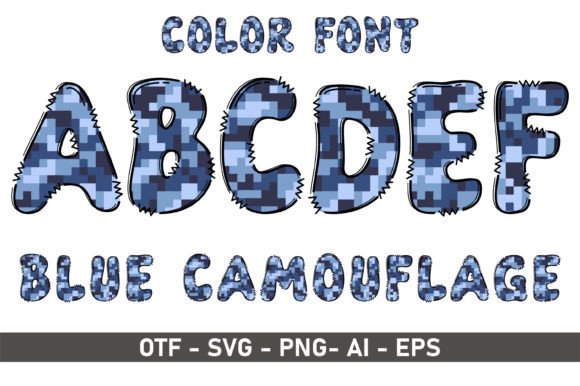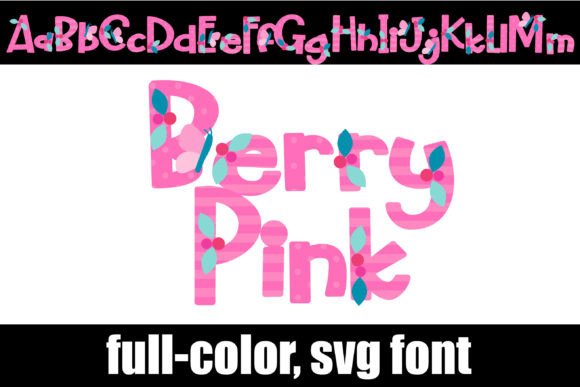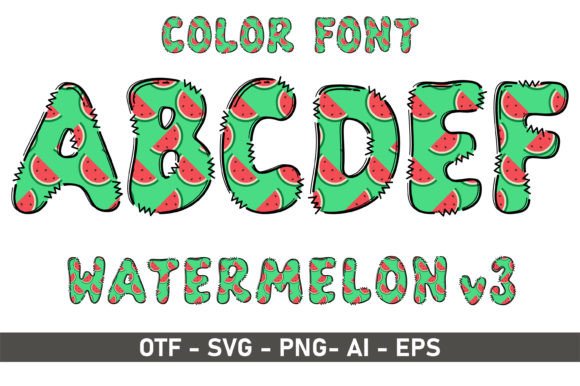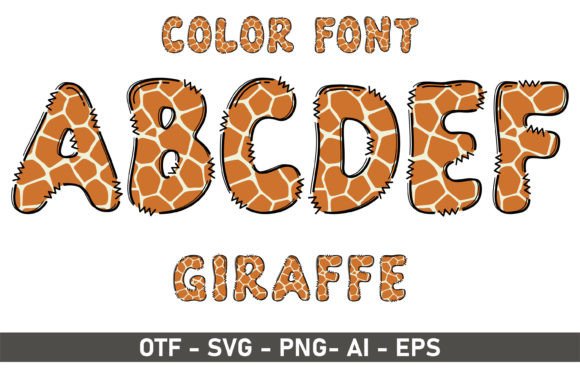
Red Camouflage: The Playful Font for Creative Branding
Sometimes, a design project calls for something that breaks the mold—something that feels energetic, artistic, and a little bit unexpected. If you've been searching for a typeface that can inject personality into your work without sacrificing clarity, you may have just found your match. This unique display font blends bold character with a surprising versatility, making it a standout choice for creators who want to leave a memorable impression.
More Than Just a Name: The Visual Appeal
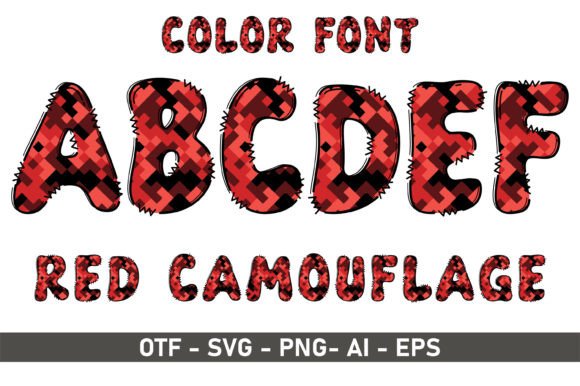
At first glance, the name might evoke images of patterns and texture, but this is a typeface with a distinct voice. It's a premium font that often falls into the category of a display font, meaning it's designed to be used at larger sizes where its details can truly shine. Think of it as the visual equivalent of a confident, friendly voice in a crowded room. Its forms are crafted to feel both modern and approachable, often featuring slight irregularities or playful curves that give it a hand-crafted, artistic feel. This isn't a stiff, corporate sans serif font; it's a creative font built for projects that need to communicate joy, imagination, and individuality.
This artistic quality makes it a fantastic tool for brand identity. A brand that uses this typeface is signaling that it's creative, approachable, and not afraid to stand out. It’s particularly effective for businesses targeting families, creatives, or anyone looking for a touch of whimsy in their daily life.
Where This Font Truly Shines: Practical Applications
Understanding a font's personality is one thing, but knowing where to apply it is where the real value lies. This is where you can bridge the gap between a beautiful design asset and a functional tool for your business or project.
For Branding and Logo Design: Imagine a boutique bakery, a children's clothing line, or a craft workshop. Using this typeface for their logo instantly tells a story of care, creativity, and fun. It helps build immediate brand recognition because the typography itself is so distinctive. Pair it with a simple, clean serif font or a neutral sans serif font for body text to create a balanced and professional font pairing.
In Packaging and Merchandise: On a product label, hang tag, or sticker, this font grabs attention. It can make a product feel special and artisanal. For packaging design aimed at a younger demographic or the gift market, its playful nature is a significant asset. Similarly, on merchandise like tote bags or notebooks, it adds a layer of artistic flair.
Across Digital and Print Media: The applications are extensive. Use it for:
- Social media graphics and Instagram stories to stop the scroll with vibrant, eye-catching text.
- Website headers or hero sections for brands in the creative, lifestyle, or education sectors.
- Blog titles that need to stand out and convey a specific tone.
- Print materials like posters, flyers, and invitations for events, workshops, or children's parties.
- Editorial layouts in magazines or books, especially for chapter headings or pull quotes.
- Digital products such as e-book covers, online course graphics, or printable art.
- Marketing assets like email headers, ads, and promotional banners.
The key is to use it strategically where you need maximum impact, rather than for long blocks of body copy.
Smart Typography: Pairing, Readability, and Licensing
Choosing a creative font is just the first step. Using it effectively requires a bit of strategy to ensure your design is both beautiful and functional.
Mastering Font Pairing: The golden rule is contrast. Because this display typeface has a strong personality, it pairs best with something more subdued. A classic serif font like Garamond or a clean sans serif font like Helvetica or Open Sans for your paragraphs will let your headings pop without causing visual chaos. Test different combinations to see what feels right for your project's tone.
Readability is Key: Always consider your medium and audience. While perfect for headings and short text, avoid setting entire paragraphs in a decorative display font. For web design, ensure your chosen web font version is clear on all screen sizes. For print, check the spacing and clarity at the final print size. This is where understanding the included font styles helps—sometimes a slightly different weight or version within the family can improve legibility.
Navigating Commercial Use: Before finalizing your project, double-check the licensing. Most premium fonts come with a license that covers both personal and commercial use, but it's crucial to read the terms. Know what's included—can you use it on merchandise for sale? In digital products you distribute? This due diligence protects you and ensures you're using the design assets correctly.
A Final Thought on Creative Expression
Finding the right typeface is like finding the right collaborator. It should understand your project's goals and help you communicate them more effectively. This particular typeface offers a wonderful blend of artistic expression and practical application, making it a valuable addition to any designer's toolkit. Whether you're crafting a brand from the ground up, designing a series of greeting cards, or creating a standout social media campaign, it provides the visual personality needed to connect with your audience on a more human, engaging level. The best designs often come from choosing tools that not only look good but also feel right for the story you're trying to tell.