The Giraffe Font: A Playful Typeface for Creative Brands
Ever scroll through Instagram and stop dead because a brand's packaging or a social media post just feels... fun? Chances are, the secret sauce isn't just the colors or the imagery—it's the typography. Fonts carry personality, and choosing one that strikes the right chord can transform a forgettable design into something memorable. That's where the Giraffe font comes in. With its whimsical, artistic flair, this typeface is designed to inject a sense of playfulness and creativity into any project, from children's books to bold brand identities.
Giraffe isn't just another decorative font. It's a carefully crafted display typeface that balances visual charm with practical versatility. Whether you're a designer working on client projects, a small business owner crafting your brand's visual language, or a hobbyist creating invitations for a special event, understanding how to leverage a font like Giraffe can make a real difference in your work. Let's explore what makes this font stand out and how you can put it to use.
Understanding Giraffe's Visual Appeal
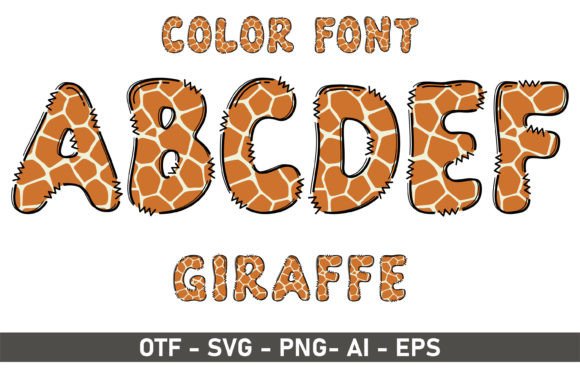
At its core, Giraffe is a display font with a distinctly playful and artistic character. Its letterforms often feature soft curves, unexpected details, and a sense of movement that feels organic rather than rigid. This makes it particularly effective for designs that need to convey warmth, creativity, or a lighthearted tone. Think of the kind of typography you'd see on a hand-lettered poster for a local farmers' market, a child's birthday invitation, or the logo for a boutique ice cream shop—fonts that feel approachable and full of personality.
What sets Giraffe apart from many other creative fonts is its thoughtful design. It avoids the common pitfall of decorative typefaces that sacrifice readability for style. While it's certainly expressive, the letterforms remain clear and distinguishable, which is crucial for any font intended for more than just a headline. This balance makes it a viable option not only for large display text but also for shorter blocks of copy where personality matters, like pull quotes, subheadings, or call-to-action buttons.
Where to Use a Font Like Giraffe
The practical applications for a font with Giraffe's personality are surprisingly broad. Its strength lies in projects where visual engagement and brand recognition are top priorities. Here’s how different professionals might put it to work:
For Branding and Logo Design: If you're building a brand identity for a company that wants to appear friendly, creative, or approachable, Giraffe could serve as a cornerstone of the logo or as a secondary font for taglines. A children's boutique, a craft brewery with a playful vibe, or a creative agency could use it to instantly communicate their brand's personality. The key is to ensure the font's style aligns with the brand's core values—whimsical for a toy store, artistic for a design studio, and so on.
Packaging and Product Design: On packaging, typography does heavy lifting. Giraffe can make a product stand out on a crowded shelf, especially for items targeting families, creatives, or consumers looking for something with character. Imagine it on the label of a specialty jam, a box of artisan cookies, or a line of natural skincare products. Its readability ensures the product name and key information are clear, while its style adds a layer of appeal.
Marketing and Social Media: In the fast-paced world of social media, grabbing attention is everything. Using Giraffe for headlines in Instagram graphics, Facebook ad visuals, or Pinterest pins can stop the scroll. It's also effective for creating consistent visual templates for stories, quotes, or promotional posts. For marketers, a premium font like this can become a recognizable element of a campaign's visual identity, boosting brand recognition across multiple touchpoints.
Print and Digital Collateral: From posters and flyers for local events to greeting cards, invitations, and editorial layouts in magazines or blogs, Giraffe adds a handcrafted feel. It’s also excellent for digital products like e-book covers, worksheet headers, or course materials, where you want the design to feel engaging and professional without being sterile. For web design, it can be used strategically for headings or accent text on a homepage, about page, or blog to inject personality without compromising overall site readability.
Making It Work: Practical Tips for Designers and Creators
Choosing a whimsical font is just the first step. Using it effectively requires a bit of strategy. Here are some practical considerations for integrating Giraffe into your projects:
Pairing is Everything: A highly stylized font like Giraffe rarely works well on its own for all text. The art of font pairing is essential. Typically, you'll want to combine it with a cleaner, more neutral sans serif font or a simple serif font for body copy. This creates a visual hierarchy where Giraffe draws the eye for headlines and key phrases, while the supporting font ensures longer text remains easy to read. For example, pairing Giraffe with a geometric sans serif like Montserrat or a classic serif like Lora can create a balanced and professional look.
Readability First: Always test your chosen font in context. A typeface that looks beautiful in a 72-point headline might become illegible at 12 points in a paragraph. Use Giraffe primarily for display purposes—headings, logos, short quotes—and opt for a more straightforward font for lengthy descriptions or instructions. Consider the medium, too. A font that works on a high-resolution screen might not reproduce well on low-quality print or at very small sizes on mobile devices.
Explore the Included Styles: A well-designed font family often includes multiple styles—regular, bold, italic, or even alternate character sets. Before starting a project, review all the files that come with Giraffe. You might find a bold weight that's perfect for emphasizing a key message or stylistic alternates that offer more creative flexibility. Understanding your full toolkit prevents you from settling for the first option and allows for more nuanced design work.
Commercial Licensing Matters: If you're using Giraffe for client work, merchandise, or any project that generates revenue, you must ensure you have the appropriate commercial license. Most premium fonts come with licenses that specify how they can be used. Ignoring this can lead to legal issues down the line. Always read the license agreement carefully—it's a standard part of professional practice and protects both you and the font creator.
Beyond the Basics: Thinking Like a Brand Strategist
A font is more than just a set of letters; it's a tool for visual communication. When you choose Giraffe, you're making a deliberate choice about how your project or brand will be perceived. This is where thinking like a brand strategist becomes valuable. Ask yourself: Does this typeface support the story I want to tell? Does it resonate with my target audience? Will it help my designs feel cohesive across different platforms?
For instance, if you're a small business owner creating a brand identity, consistency is key. Using Giraffe on your website headers, social media graphics, and printed menus or packaging creates a unified look that customers begin to associate with your brand. This consistency builds brand recognition and makes your business appear more polished and intentional. It's a subtle but powerful way to stand out in a competitive market.
For content creators and bloggers, a distinctive font can become part of your personal brand. It can make your YouTube thumbnails, blog post graphics, or newsletter headers instantly recognizable to your followers. In a digital landscape saturated with content, these visual cues help you cut through the noise and build a loyal audience.
Ultimately, the best font is one that serves the project's goals while connecting with the intended audience. Giraffe offers a specific flavor of creativity and warmth. It won't be the right choice for a law firm's annual report or a financial services website, but for the countless projects that thrive on personality and visual appeal, it could be exactly the design asset you've been looking for. The key is to use it thoughtfully, pair it wisely, and always let the content—and the audience—guide your typographic choices.