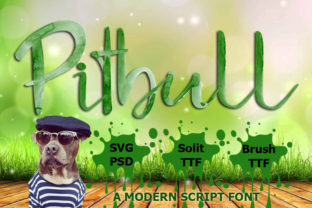
Pitbull: A Modern Handwritten Font That Commands Attention
There’s a certain energy that comes with a font that doesn’t just sit quietly on the page. It leans in. It makes a statement. It feels alive. That’s the immediate impression you get with Pitbull, a modern handwritten typeface designed to inject personality and visual punch into your creative work. In a sea of script fonts that can feel generic or overly delicate, Pitbull brings a confident, textured style that feels both current and versatile.
What sets this typeface apart is its thoughtful design. It arrives in three distinct styles—SVG, brush, and solid—each offering a different texture and level of detail. The SVG style, in particular, is a color font (OpenType-SVG), which means it can contain multiple colors and intricate details within a single glyph, a feature that opens up new possibilities for designers looking to create standout graphics without complex layering. This isn’t just another handwritten font; it’s a toolkit for making your visuals memorable.
Finding the Right Fit: Where Pitbull Truly Shines
Knowing a font’s strengths is key to using it effectively. Pitbull’s bold, expressive character makes it a natural fit for projects where first impressions and brand personality are paramount. Think about the last time a logo on a coffee bag or a social media graphic made you stop scrolling. Often, it’s the typography that carries that initial impact.
For branding and logo design, this typeface offers a chance to build an identity with immediate character. A local brewery, a boutique fitness studio, or a creative agency could use Pitbull to convey a sense of energy, authenticity, and modern edge. It moves away from the sterile feel of many corporate sans serif fonts, helping a brand feel more approachable and dynamic. When used in packaging design, it can make a product jump off the shelf, especially for artisanal goods, snacks, or beauty products targeting a younger, style-conscious audience.
Beyond static logos, its role in social media graphics is significant. Instagram Stories, TikTok thumbnails, and Pinterest pins thrive on visual urgency. A striking headline set in Pitbull can increase engagement by making your content feel more vibrant and less templated. It’s equally effective for digital products like e-book covers, online course titles, or webinar graphics, where you need to communicate value and excitement quickly.
Beyond Aesthetics: Practical Typography for Real Projects
A beautiful font is only useful if it works within the constraints of your project. Here’s where practical considerations come into play. Pitbull is a display font, meaning it’s engineered for impact at larger sizes, such as headlines, titles, and short phrases. It’s not designed for long paragraphs of body copy, where a clean serif font or sans serif font would ensure readability.
This is where smart font pairing becomes essential. Imagine a wedding invitation: Pitbull could headline the couple’s names in a bold brush style, while the event details are set in a classic, elegant serif like Playfair Display. For a website, you might use Pitbull for your main hero banner headline, then pair it with a highly legible sans serif like Open Sans for navigation and body text. This contrast creates visual hierarchy and ensures your design is both beautiful and functional.
It’s also crucial to test the font in context. Does the SVG version render correctly in your design software? The product notes it’s compatible with PhotoShop, Illustrator, and Silhouette, but not with Cricut. For crafters using Cricut machines, this is a critical detail. Always check the included commercial font license to ensure your intended use—whether for client work, merchandise, or digital sales—is covered. A quick review of the font’s character set, including punctuation and special characters, can save headaches later.
Maximizing Impact: Strategic Use of a Creative Font
Integrating a font like Pitbull into your design assets isn’t just about swapping out letters; it’s about strategic communication. The goal is to enhance brand recognition and visual consistency. If you choose Pitbull for your primary headline font, use it consistently across your website headers, email newsletter banners, and presentation title slides. This repetition builds a cohesive visual language that your audience will come to associate with your brand.
For editorial design—think magazine covers, blog post graphics, or promotional posters—Pitbull can create a focal point that draws the reader in. Its texture adds a tactile quality, even on screen, which can make digital content feel more crafted and intentional. In print materials like flyers or business cards, a solid style version might offer better reproduction clarity, while the brush style could be perfect for a limited-run art print.
Ultimately, the value of a premium font like this lies in its ability to solve a specific problem: how to make your message visually compelling without compromising on clarity. It’s a tool for creative entrepreneurs, designers, and marketers who understand that typography is a silent ambassador for their brand. By choosing a typeface with personality and using it thoughtfully, you’re not just decorating text—you’re crafting an experience that resonates with your audience and makes your work unmistakably yours.