Basketball Court: A Font That Scores Big on Personality
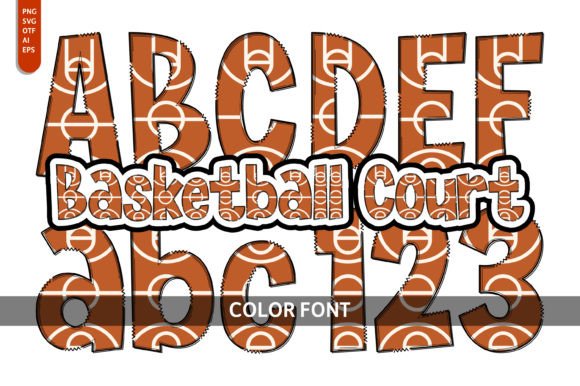
You know the feeling when a design just clicks—when the typography doesn’t just sit there but actually tells a story? That’s exactly what the Basketball Court font brings to the table. It’s not just another display typeface; it’s a burst of energy, movement, and unapologetic fun that can transform a bland layout into something memorable. If you’ve been searching for a typeface that feels alive, athletic, and a little bit nostalgic, you might have just found your new go-to.
Let’s be real: not every project calls for a sleek, minimalist sans serif. Sometimes, you need a font that winks at the audience, that says, “Hey, we don’t take ourselves too seriously here.” Basketball Court does that effortlessly. Its rounded forms, bouncy baseline, and playful curves evoke the spirit of a neighborhood pickup game—lighthearted, accessible, and full of personality. It’s the kind of font that makes you want to smile before you’ve even read the words.
Where This Font Truly Shines
Think about the last time a piece of packaging caught your eye on a shelf, or a social media post made you stop scrolling. Chances are, the typography played a huge role. Basketball Court excels in contexts where you want to inject warmth, approachability, and a dash of whimsy. It’s perfect for brands targeting families, kids, or anyone who appreciates a playful aesthetic without sacrificing clarity.
For small business owners and entrepreneurs, this font can be a secret weapon. Imagine using it for a children’s clothing line, a local bakery’s logo, or a community center’s promotional materials. It instantly communicates friendliness and fun, which can be a major differentiator in crowded markets. Content creators, too, can leverage its charm for YouTube thumbnails, podcast artwork, or Instagram Stories that need to pop without looking overly corporate.
But don’t box it into just “cute” projects. With the right pairing, Basketball Court can add an unexpected twist to more sophisticated designs. Try it alongside a clean serif or a geometric sans serif for contrast, and suddenly it feels modern and intentional rather than childish. That versatility is what makes it a valuable asset in any designer’s toolkit.
Putting It to Work: Real-World Applications
Let’s get practical. How exactly can you use this font across different projects? Here’s a breakdown of ideas that go beyond the obvious:
- Branding & Logo Design: Use it for wordmarks that need to feel energetic and approachable. It works beautifully for youth sports leagues, kids’ entertainment brands, or playful food products.
- Packaging Design: Stand out on shelves with packaging that feels inviting. Think snack foods, craft kits, or party supplies where a fun vibe is part of the product experience.
- Social Media Graphics: Create eye-catching quotes, announcements, or sale promotions that feel organic and engaging rather than stiff and salesy.
- Invitations & Greeting Cards: From birthday parties to casual weddings, this font adds a personal touch that feels handmade yet polished.
- Websites & Blogs: Use it sparingly for headers, call-to-action buttons, or featured quotes to break up monotony and guide the reader’s eye.
- Merchandise: T-shirts, mugs, tote bags—any product where personality sells will benefit from this typeface’s charm.
- Editorial Layouts: Magazines or blogs targeting a younger demographic can use it for pull quotes or section headers to maintain energy throughout the piece.
The key is intentionality. Don’t just slap it on everything because it looks nice. Ask yourself: does this font align with the message I’m trying to send? If the goal is to connect on a human level, to feel accessible and joyful, then Basketball Court is likely a smart choice.
Pairing, Readability, and Those Little Details
One thing I’ve learned over the years: even the most beautiful font can fall flat if it’s not paired thoughtfully. Basketball Court is a display font at heart, so it’s not meant for body copy. Use it for headlines, titles, or short bursts of text where its personality can shine without overwhelming the reader.
For body text, pair it with something neutral and highly readable—a simple sans serif like Open Sans or a classic serif like Lora. This creates a hierarchy that feels balanced: the display font grabs attention, and the body font keeps things legible. Test your pairings at different sizes and on various devices. What looks charming on a desktop might feel cluttered on a mobile screen, so always check responsiveness.
Also, take a close look at the font’s included styles. Does it come with alternates, ligatures, or multiple weights? These features can add depth to your designs and help you avoid a “cookie-cutter” look. For instance, swapping out a standard “a” for an alternate version can make a logo feel more custom and intentional.
And here’s a practical tip many overlook: licensing. If you’re using this font for commercial projects—client work, merchandise, paid digital products—make sure you have the appropriate license. Many premium fonts offer different tiers for personal versus commercial use, and respecting those terms is part of being a professional designer or business owner.
Why It Works Beyond Aesthetics
At the end of the day, typography isn’t just about looking good—it’s about communication. The right font can reinforce brand values, evoke specific emotions, and even influence how people perceive your message. Basketball Court does more than decorate; it communicates playfulness, creativity, and approachability.
For designers, it’s a tool that can break the monotony of sterile, overused typefaces. For small business owners, it’s a way to inject personality into branding without a massive budget. For content creators, it’s a shortcut to creating visuals that feel authentic and engaging. It’s not trying to be everything to everyone, and that’s exactly why it works so well for the right projects.
So next time you’re staring at a blank canvas, wondering how to make your design feel more human, consider giving Basketball Court a shot. It might just be the missing piece that turns a good project into a great one.