Cocoa Bar: A Sweet Typeface for Deliciously Bold Designs
There's something undeniably joyful about a design that feels edible—colors that pop like sprinkles, letterforms that curve with the warmth of melted chocolate, and a personality that practically radiates from the screen. That's exactly the energy the Cocoa Bar color font brings to the table. It's a typeface built for projects that want to feel fun, inviting, and just a little indulgent. If you've ever struggled to find typography that matches the playful spirit of a dessert brand, a bakery menu, or a party invitation, this might be the creative asset you didn't know you were looking for.
What Makes This Color Font Stand Out
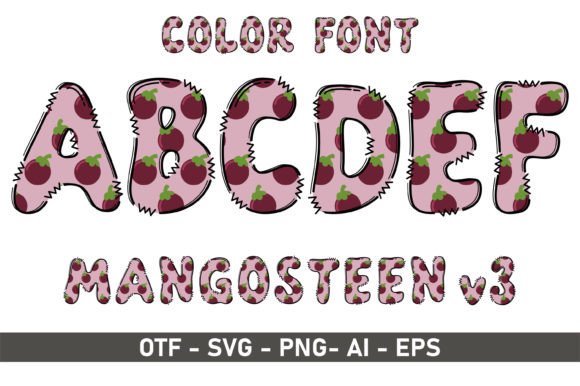
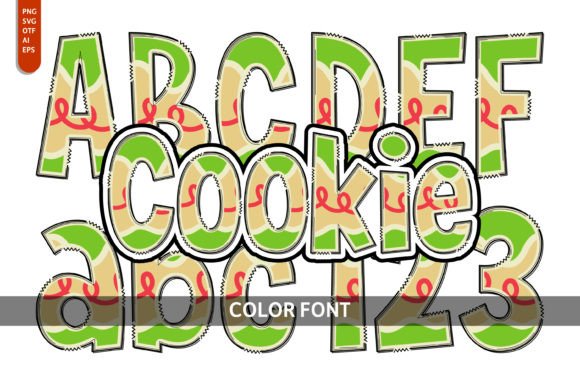
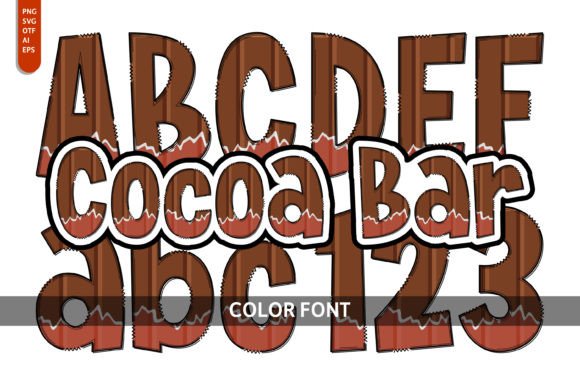
Cocoa Bar is an OpenType-SVG color font, which means it carries actual color information within the font file itself. Instead of applying a flat single tone to your letters, each character arrives with vibrant, multi-colored details baked right in. Think rich browns, creamy whites, pastel pinks, and pops of cherry red—all rendered with a level of visual depth that traditional fonts simply can't deliver on their own. The result is a typeface that looks like it belongs on a dessert menu, a candy wrapper, or a bakery window display.
What sets it apart from other decorative fonts is its ability to communicate a mood instantly. You don't need to layer effects, add gradients, or spend extra time in post-production. The font does the heavy lifting. For designers juggling tight deadlines or small business owners managing their own branding, that kind of built-in visual richness is a genuine time-saver.
Where Cocoa Bar Truly Shines
This isn't a typeface you'd use for body copy on a legal document, and that's perfectly fine. Its strength lies in headline work, branding moments, and any project where you want typography to feel like an experience rather than just information. Here are some real-world scenarios where it fits naturally:
- Logo design for bakeries, dessert shops, ice cream parlors, and chocolate brands
- Packaging design for artisan sweets, snack brands, and specialty food products
- Social media graphics for food bloggers, recipe creators, and café owners promoting daily specials
- Party invitations for birthdays, baby showers, and themed events
- Menu layouts for restaurants and cafés that want their dessert section to feel like the star of the show
- Website headers for food-focused businesses that need an immediate visual hook
- Merchandise like tote bags, stickers, mugs, and apparel with a sweet, whimsical vibe
- Blog post graphics for lifestyle and food content creators
- Digital products such as recipe e-books, printable planners, and seasonal greeting cards
Because it's a display font, Cocoa Bar works best at larger sizes where its color details and character shapes can breathe. Pair it with a clean sans serif for body text, and you've got a combination that feels both professional and approachable.
Pairing It With Other Typefaces
One of the most common questions designers ask about decorative fonts is how to pair them without creating visual chaos. With Cocoa Bar, the approach is straightforward: let it be the star. Since it already carries so much personality and color, surrounding it with something neutral creates a balanced hierarchy.
A modern sans serif like Montserrat, Lato, or Poppins works beautifully for supporting text. If you're going for a slightly more editorial or elegant feel, a classic serif like Playfair Display or Lora can create an interesting contrast. The key is to avoid pairing it with another highly stylized script or handwritten font—that combination tends to compete rather than complement.
When testing pairings, mock up a few variations at actual size. Drop both fonts into a real layout—a social media post, a menu card, a product label—and see how they interact. Typography that looks great in isolation sometimes falls apart in context, so always test in the environment where it will actually live.
Readability and Practical Considerations
Color fonts like Cocoa Bar are designed for impact, not for long paragraphs. That said, readability still matters even in short headline text. A few things to keep in mind:
- Size matters. Use it at a size where the color details remain crisp and legible. Too small, and the intricate details can muddy together.
- Background contrast. Because the font contains multiple colors, placing it against a busy or similarly toned background can reduce legibility. A clean, solid background—white, cream, or a muted pastel—usually works best.
- Spacing. Give the letters room to breathe. Slightly looser tracking can improve clarity, especially in all-caps settings.
- Context. Use Cocoa Bar where it makes sense—headlines, logos, callouts, and feature text. Pair it with a more traditional typeface for anything that requires sustained reading.
Compatibility and File Details
This is a practical point worth covering upfront. Cocoa Bar is delivered as an OpenType-SVG color font, and it's compatible with PhotoShop, Illustrator, Silhouette, and Inkscape. That covers a wide range of creative workflows, from professional design software to popular crafting tools.
One important note: the OTF and TTF files included are not compatible with Cricut. If you're a crafter who relies on Cricut machines for vinyl cutting or print-and-cut projects, you'll want to verify your workflow supports SVG-based color fonts before purchasing. The product page includes a link to a detailed font guide that walks through setup and usage across supported platforms—it's worth reviewing before diving in.
Building a Consistent Brand Identity
For small business owners and entrepreneurs, typography is one of the most powerful tools for building brand recognition. The fonts you choose become part of your visual identity—they show up on your website, your packaging, your invoices, your social feeds. When someone sees your typeface in the wild, it should trigger an immediate association with your brand.
Cocoa Bar is particularly well-suited for brands in the food, dessert, and lifestyle space that want to project warmth, creativity, and a sense of handmade quality. It tells your audience that your brand doesn't take itself too seriously, that there's personality behind the product, and that every detail—down to the lettering—has been thoughtfully considered.
That said, consistency is key. If you use Cocoa Bar for your logo, consider using it selectively across other brand touchpoints—perhaps on packaging headers, social media feature posts, or seasonal campaigns. Overusing a display font can dilute its impact, so treat it as a highlight rather than the default for every piece of text.
Licensing and Commercial Use
Before incorporating any font into a commercial project, it's smart to review the licensing terms. Most premium fonts, including Cocoa Bar, come with clear guidelines about what's permitted—whether that's use in client work, digital products for sale, printed merchandise, or web embedding. If you're creating designs that will be sold or distributed, make sure the license covers that use. It's a small step that protects you and your business down the line.
Typography choices might seem minor in the grand scheme of a project, but they carry real weight. The right font can make a dessert brand feel irresistible, a party invitation feel festive, and a social media post feel worth stopping for. Cocoa Bar delivers that kind of sensory impact through color, shape, and personality—and for the right project, it's exactly the kind of design asset that earns its place in your toolkit.