The Cookie Typeface: Adding a Whimsical Touch to Your Designs
Sometimes, a design needs more than just clean lines and perfect symmetry. It needs a personality—a little bit of charm, a dash of warmth, and a whole lot of character. That's where a typeface like Cookie comes in. It's not just a set of letters; it's a visual voice that can instantly shift the tone of your project from formal to friendly, from corporate to creative. If you've been on the hunt for a font that feels approachable, handcrafted, and full of life, you might just find your new favorite in Cookie. This isn't about following rigid typographic rules; it's about finding a tool that helps you tell a better story.
A Font That Feels Like a Conversation
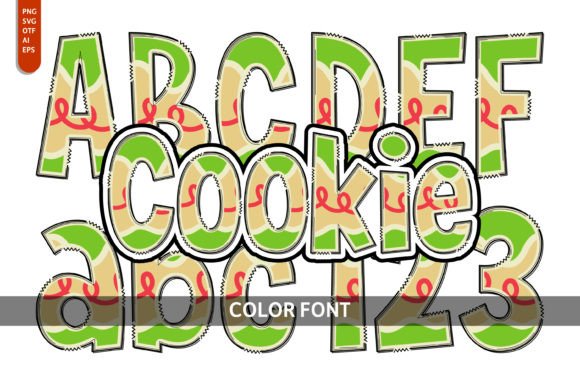
Cookie is a display typeface that leans into a relaxed, handwritten style without sacrificing legibility. Think of it as the typographic equivalent of a friendly note scribbled on a napkin or a playful doodle in the margin of a notebook. Its letterforms are fluid and slightly irregular, which gives it an authentic, human quality. Unlike some overly stylized script fonts that can become a puzzle to read, Cookie maintains a clear structure. The letters are well-spaced, and the overall flow feels natural and easy on the eyes.
This balance is crucial. A font that's too quirky can undermine your message, while one that's too plain might fail to capture attention. Cookie walks that line beautifully. It has enough personality to stand out in a headline or on a product label, yet it remains surprisingly versatile. It’s the kind of typeface that makes a viewer feel welcomed rather than lectured, making it an excellent choice for projects where you want to build an immediate connection with your audience.
Where Does Cookie Shine? Practical Applications for Creatives
The true test of any font is how it performs in the wild. Cookie’s friendly demeanor makes it a natural fit for a wide array of projects, especially those targeting a sense of fun, authenticity, or artisanal quality.
- Branding & Logo Design: For small businesses, bakeries, craft studios, or any brand aiming for a down-to-earth identity, Cookie can form the cornerstone of a memorable logo. It communicates approachability and creativity, helping to differentiate a brand from more sterile, corporate competitors.
- Packaging & Merchandise: Imagine a coffee bag, a jar of homemade jam, or a t-shirt for a local band. Cookie adds that handcrafted, indie feel that makes a product seem special. It’s perfect for labels, tags, and any design where a personal touch is a selling point.
- Invitations & Greeting Cards: This is a sweet spot for Cookie. Its whimsical nature is ideal for birthday party invites, wedding save-the-dates, thank-you cards, or holiday greetings. It sets a joyful, celebratory tone right from the first glance.
- Children’s Books & Educational Materials: As noted, fonts for young readers need to be engaging and clear. Cookie’s playful yet readable character makes it a fantastic choice for titles, chapter headings, or interactive elements in books, posters, and classroom materials.
- Social Media & Digital Content: In a crowded feed, a distinctive font can stop the scroll. Use Cookie for Instagram quotes, YouTube thumbnails, blog post titles, or podcast artwork to add a burst of personality and make your content instantly recognizable.
- Editorial & Web Design: While not for body text, Cookie can add flair to magazine layouts, website headers, or call-to-action buttons. It’s a great way to break up the monotony of standard sans-serifs and draw the eye to key information.
Making It Work: Pairing and Practical Considerations
Using a display font like Cookie effectively is all about context and combination. You wouldn’t use a fancy script for a legal document, and similarly, Cookie needs the right partners and setting to look its best.
Font Pairing is Key: Cookie works best when paired with a simple, clean companion font. A neutral sans-serif like Montserrat, Open Sans, or Lato for body text creates a perfect counterbalance. The contrast allows Cookie to shine in headlines without overwhelming the reader. For a slightly more classic feel, a clean serif like Lora or Merriweather can also pair well. The goal is to let Cookie do the talking in key spots while your secondary font ensures the rest of your content is easy to digest.
Readability First: Always prioritize legibility, especially for important information. Use Cookie for larger sizes—think headlines, subheadings, pull quotes, and short phrases. Avoid setting long paragraphs in it. Test your designs on different devices and in print to ensure the text remains clear and enjoyable to read.
Explore the Styles: Many premium font families include multiple weights or styles. Check if your version of Cookie includes bold, italic, or alternate characters. These variations can give you more creative flexibility within a single project, helping you maintain visual consistency while adding subtle hierarchy.
Understand the License: If you’re using Cookie for commercial work—which includes client projects, merchandise for sale, or monetized content—ensure you have the correct commercial license. This protects you legally and supports the font designers who create these valuable assets. Always review the licensing terms before finalizing a project.
Building a Brand with Authenticity
In a world saturated with polished, impersonal branding, a typeface like Cookie offers a breath of fresh air. It helps businesses and creators project an image that is genuine, creative, and human. Using it consistently across your touchpoints—from your website header to your social media graphics to your product packaging—builds a cohesive brand identity that people can recognize and relate to.
It’s a tool for visual storytelling. The right font doesn’t just display words; it conveys emotion, sets a scene, and builds trust. Cookie, with its inherent warmth and charm, is particularly good at making a brand feel less like a faceless entity and more like a friend. Whether you’re a designer crafting a client’s identity, a small business owner launching a new product, or a content creator looking to add flair to your work, exploring typefaces with distinct personalities like Cookie can be the key to creating designs that truly resonate.