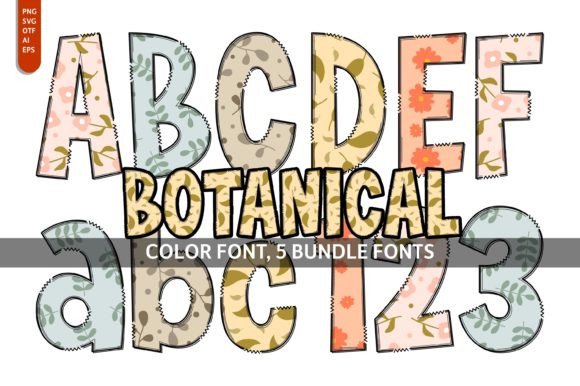
Botanical: A Playful Typeface for Creative Projects
There’s a certain magic that happens when a design feels both effortless and intentional. You see it on a child’s birthday invitation, the packaging for a boutique candle, or the header of a lifestyle blog. It’s a visual warmth, a sense of handcrafted charm that immediately connects. This feeling often starts with the right typography. A font like Botanical, with its gentle curves and organic flow, is designed to evoke that exact response. It’s not just a collection of letters; it’s a tool for storytelling, ready to infuse your work with personality and a touch of whimsy.
Capturing a Whimsical and Artistic Vibe
What makes a typeface feel playful or artistic? It’s often in the details—the slight imperfections that mimic hand-lettering, the rounded terminals that feel soft and approachable, or the flowing connections that suggest movement. A premium font in this style, like Botanical, steps away from the rigid geometry of some modern typography. Instead, it embraces a softer, more human quality. This makes it an incredibly versatile display font. It can function as a charming script font for a headline or a more legible, yet still creative, handwritten font for shorter blocks of text. Its visual personality is its greatest asset, allowing you to set a specific mood the moment someone sees your work.
From Brand Identity to Packaging Design
For small business owners and entrepreneurs, building a recognizable brand is everything. Your typography is a core component of your brand identity. Choosing a distinctive typeface like Botanical can help you stand out in a crowded market. Imagine this font on your logo design, instantly conveying a brand that is creative, friendly, and approachable. This same visual language should extend to all your touchpoints. Use it consistently across your packaging design to create a cohesive unboxing experience. Apply it to your social media graphics to make your Instagram feed feel curated and on-brand. The goal is visual consistency; when a customer sees your font on a poster, then on your website, and later on an invoice, they begin to associate that style with your business. This builds brand recognition far more effectively than a generic sans serif font alone.
Enhancing Digital and Print Presence
The utility of a creative font like this extends well beyond logos and labels. In the digital space, it can transform a standard website or blog. Using it for headlines and pull quotes in your web design can break up text, guide the reader’s eye, and inject personality into your editorial layouts. For content creators, it’s a fantastic asset for designing digital products like planners, worksheets, or social media templates that you sell or give away. Its artistic flair makes these products feel more valuable and thoughtfully designed. In print, the applications are just as rich. Think of the impact on posters for a local market, elegant invitations for a garden party, or cheerful greeting cards. It brings a level of professional presentation to print materials that can be hard to achieve with standard system fonts.
Practical Advice for Pairing and Use
While a decorative font is a powerful tool, using it effectively requires some strategy. The most important consideration is readability. A font like Botanical, with its artistic flair, is often best suited for headlines, titles, and short bursts of text rather than long paragraphs. For body copy, pair it with a clean and highly legible serif font or sans serif font. This contrast creates a beautiful visual hierarchy, allowing the display font to shine without sacrificing the clarity of your message. Always test your font pairings. See how they look together at different sizes and on various backgrounds. Does the contrast work? Is the overall mood cohesive?
Before you commit, take time to review the included font styles. Many premium fonts come as a family with multiple weights or alternates. Botanical might include a regular style, a bold version, or even stylistic alternates that give you more creative control. Understanding these options allows you to create more dynamic and varied designs. Finally, for any commercial project, always consider the licensing. Ensure the font license covers your intended use, whether it’s for client work, merchandise you sell, or digital products. This is a crucial step in maintaining a professional and legal practice.
Ultimately, selecting a typeface is about finding the right voice for your project. It’s about matching typography to your goals, whether that’s to delight, to inform, or to persuade. A font like Botanical offers a specific voice—one that is warm, creative, and full of life. By thoughtfully integrating it into your design assets, you’re not just choosing letters; you’re crafting an experience for your audience. You’re adding a layer of intention and artistry that can elevate a simple project into something memorable. Add this lovely color font to your creative toolkit, and you’ll discover just how much a single design choice can influence the feel and success of your work.