Udder Love: Injecting Vibrant Energy into Your Visuals
Staring at a blank screen, trying to conjure a brand identity that feels both professional and playful, can be a daunting task. We often fall into the trap of defaulting to safe, neutral typefaces, leaving our projects feeling a bit sterile. If you’re looking to break away from the grayscale and inject some serious personality into your work, you might be looking for something with a bit more heart. Enter a typeface that refuses to blend into the background, offering a kaleidoscope of hues and a distinct character that demands attention.
A Kaleidoscope of Color and Character
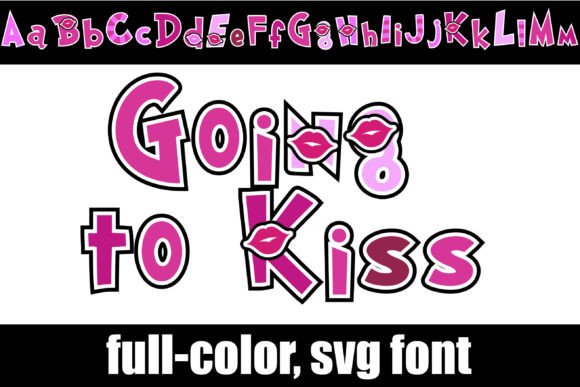
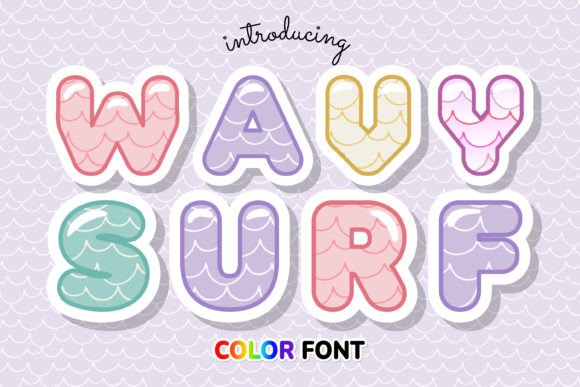
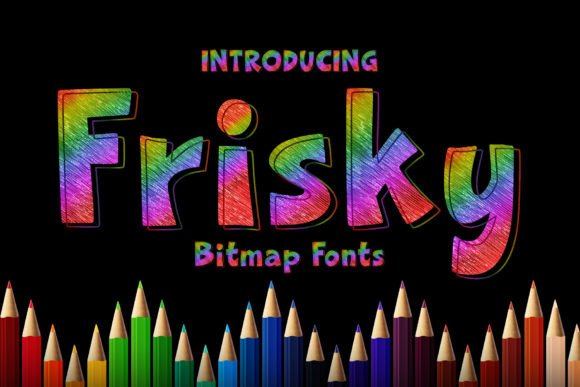
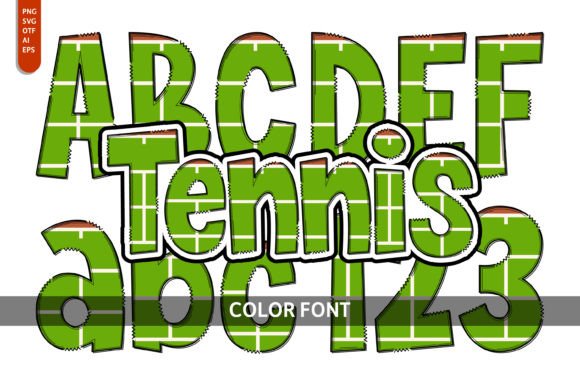
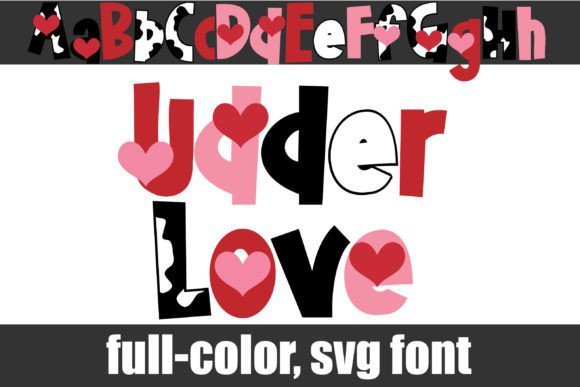
At its core, this is a display font that prioritizes emotion over rigid structure. The defining feature is undoubtedly its color. Unlike traditional monochromatic typefaces, this design arrives pre-loaded with a dynamic mix of bright, contrasting gradients. It captures the aesthetic of modern vector art, where colors blend seamlessly or clash intentionally to create visual interest. This isn't just a font; it’s a design asset that does half the heavy lifting for you. The visual weight of the letters creates an immediate focal point, making it an ideal choice for projects where you need to grab a viewer's attention within the first second of interaction.
But it’s not just about the color. The letterforms themselves possess a fluid, organic quality. They feel hand-crafted and human, yet they maintain a crispness that ensures they look sharp on both high-definition screens and printed materials. This balance between artistic flair and technical precision is what sets it apart from generic "fun" fonts. It feels expensive and considered, elevating the perceived value of whatever it touches.
From Branding to Packaging: Where This Typeface Shines
The versatility of a creative font like this often surprises people. While it is undeniably bold, it can be adapted to a wide variety of contexts. For small business owners, the first instinct might be to use it for a logo. And indeed, it works beautifully there. Imagine a bakery, a boutique clothing line, or a creative agency using this typeface to wordmark their identity. It immediately communicates that the brand is modern, approachable, and unafraid to stand out.
However, its utility extends far beyond a static logo. Consider the world of packaging design. In a crowded marketplace, shelf appeal is everything. Using this font for product names on labels—whether for artisanal coffee, cosmetics, or children’s toys—can instantly differentiate a product from competitors using standard sans-serif fonts. The color gradient effect can be matched to the product's flavor or variant, creating a cohesive visual system.
For those in the digital space, the applications are equally robust. Social media graphics often need to stop the scroll. A promotional post for a flash sale, a podcast cover art, or an Instagram story announcement gains an instant "wow" factor when set in a vibrant display typeface. It removes the need for complex background illustrations; the text itself becomes the illustration. This is particularly useful for content creators and bloggers who need to maintain a consistent, high-energy aesthetic without spending hours in Photoshop manipulating layers.
The Practical Magic of PUA Encoding
One of the most significant technical advantages of this typeface is its PUA (Private Use Areas) encoding. For the uninitiated, this might sound like jargon, but for anyone who has struggled to access special characters in a font, it is a game-changer.
Essentially, PUA encoding ensures that every single glyph, swash, and stylistic alternate included in the font file is accessible, regardless of the software you are using. Whether you are working in Adobe Illustrator, Microsoft Word, or a basic web design interface, you won't hit a wall where a specific character simply "doesn't exist." This is crucial for professional presentation. It allows you to access decorative tails, unique ligatures, and special ornaments that give the font its premium feel. You don't need to be a typographic expert to unlock the full potential of the design; the accessibility is built right in.
Strategic Typography: Pairing and Professional Polish
While a display font is a powerful tool, using it effectively requires a bit of strategy. A common mistake in design is trying to make everything shout at once. Because this typeface is so visually rich, it pairs best with something more subdued. If you are designing a website layout, for example, you might use the colorful display font for your H1 headers to draw the eye, but pair it with a clean, neutral sans-serif font for your body copy. This ensures readability while maintaining the brand's playful personality.
Think of it like an outfit: if you are wearing a bold, patterned jacket, you usually want a solid-colored shirt underneath to let the jacket be the star. The same logic applies to typography. By using this font sparingly and strategically, you create a hierarchy that guides the reader’s eye exactly where you want it to go.
Furthermore, consider the medium. On a poster or a piece of merchandise, this font can stand alone as a piece of art. On a business card, it might be best used just for the name or a tagline to keep the contact information legible. The goal is to use the font to enhance the message, not overshadow it. When you match the typography to the specific goal of the project—whether that is excitement, urgency, or whimsy—you move from simply "making things look pretty" to truly effective visual communication.
Commercial Use and Licensing: The Business Side of Creativity
For entrepreneurs and designers, the practicalities of licensing are just as important as the aesthetics. A major benefit of sourcing a premium font is the clarity of commercial rights. Unlike free fonts found on dubious corners of the internet, which often come with hidden restrictions that can lead to legal headaches down the road, a properly licensed commercial font provides peace of mind.
When you have the correct license, you can confidently use the typeface across all your marketing assets—from your website to your printed flyers to your digital products—without worrying about copyright infringement. This professional approach protects your business and ensures that your brand identity remains consistent and legally sound across all touchpoints.
Ultimately, choosing a font is choosing a voice for your brand. It sets the mood before a customer reads a single word of your copy. By opting for a typeface that combines the energy of modern color trends with the reliability of professional encoding, you are equipping yourself with a versatile tool that can help transform standard designs into memorable visual experiences.