Little Bee: The Whimsical Color Font That Brings Designs to Life
There’s a special kind of magic in a design that makes you smile before you even read the words. It’s the feeling of a children’s book cover that pulls you in, a greeting card that feels like a warm hug, or a social media graphic that stops your scroll with its sheer charm. Often, this magic lives in the details—the texture, the color, and most importantly, the typography. For projects that demand a dose of whimsy, playfulness, and undeniable cuteness, the font you choose becomes the heart of the visual story. This is where a unique typeface can transform a simple layout into an unforgettable experience.
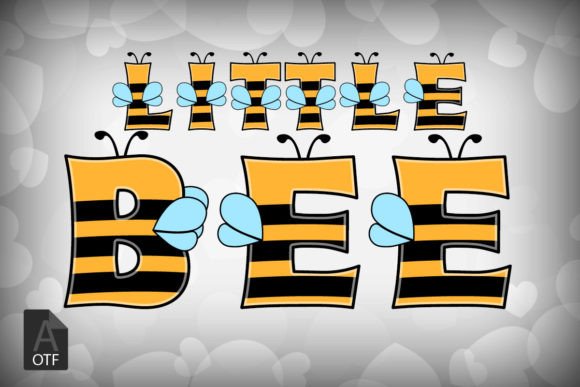
Imagine a font where each letterform isn’t just a shape, but a tiny character. That’s the essence of Little Bee. This premium font is a color typeface, meaning the letters themselves are designed with built-in color—in this case, soft, pastel hues. But what truly sets it apart are the delicate bee wings integrated into each character. The ‘A’ might have wings where its crossbar should be, while the ‘O’ could be flanked by gentle, translucent wings. It’s a creative font that doesn’t just spell out words; it illustrates a feeling, making it a buzz-worthy asset for any designer or creator looking to inject personality into their work.
More Than Just a Pretty Typeface: Where Whimsy Meets Strategy
While its aesthetic is undeniably playful, Little Bee is a serious tool in a designer’s kit. Its value extends far beyond novelty. As a display font, its primary strength is in headlines, logos, and short bursts of text where its intricate details can be fully appreciated. Think about a bakery’s logo: using Little Bee for the shop name instantly communicates a homey, sweet, and approachable brand identity. The same principle applies to packaging design for artisanal honey, children’s toys, or floral products. The font does the heavy lifting of brand communication, conveying a specific mood and quality before a customer even reads a product description.
In the crowded space of social media, visual consistency is key. Using Little Bee for your Instagram story templates, Pinterest graphics, or Facebook ad headlines creates an instantly recognizable aesthetic. When your audience sees that distinctive winged lettering, they immediately associate it with your brand’s playful and creative spirit. This builds brand recognition far more effectively than generic sans serif or serif fonts. It’s a strategic choice for content creators, bloggers, and small business owners who want to stand out and build a loyal following through a strong, consistent visual language.
Practical Applications: From Digital Screens to Printed Treasures
The versatility of a font like Little Bee is one of its greatest strengths. Its application spans both digital and physical realms, making it a valuable design asset for a wide range of projects.
- Digital & Web Design: Use it for hero text on a website homepage for a children’s boutique, a blog header for a parenting or lifestyle site, or as eye-catching titles in a digital product like a printable planner or e-book. Its playful nature enhances user engagement without sacrificing clarity in short-form use.
- Print Materials: This is where Little Bee truly shines. It’s perfect for wedding or baby shower invitations, greeting cards, poster designs for local fairs or children’s events, and editorial layouts in magazines targeting a youthful audience. The color aspect translates beautifully to print, adding a layer of depth and artistry.
- Branding & Merchandise: Beyond logos, consider using it for merchandise like tote bags, t-shirt designs, or stickers. For a small business selling handmade goods, it can elevate the perceived value and craftsmanship of the product, turning simple items into cherished keepsakes.
- Marketing Assets: Create standout email newsletter headers, promotional flyers, or sale announcements that capture attention in a crowded inbox or on a busy bulletin board. Its unique look ensures your marketing materials are memorable.
Making It Work: Pairing and Practical Considerations
A font with this much personality requires thoughtful implementation. The goal is to let it be the star without overwhelming the viewer or compromising readability. Here’s some practical advice for integrating Little Bee into your projects effectively.
First, consider font pairing. Because Little Bee is a highly decorative display font, it pairs best with a clean, simple companion font for body text. A neutral sans serif font like Open Sans, Lato, or Montserrat provides excellent readability and lets the headlines in Little Bee pop without causing visual clutter. For a slightly softer look, a simple handwritten font or a clean script font could work for subheadings, but always test the combination to ensure the overall hierarchy is clear.
Second, readability is paramount. While the wings are charming, they can reduce legibility at very small sizes or in long paragraphs. Reserve Little Bee for headlines, logos, pull quotes, and other short text elements. For any body copy, always opt for a more traditional typeface. Always print a test page or view your design on multiple screens to check how the colors and details render.
Finally, understand what you’re getting. A quality creative font like this often comes with multiple font styles or weights—perhaps a regular version, a bold version, or even alternate characters. Explore the full character set to take advantage of all the creative possibilities. Crucially, always review the commercial licensing. Most premium fonts come with a license that allows for commercial use, but it’s essential to read the terms to ensure it covers your specific project, whether it’s for a client, your own business, or merchandise for sale.
Choosing a typeface is about matching typography to your project’s goals. If your goal is to evoke joy, innocence, and a handcrafted feel, then a whimsical color font like Little Bee is a powerful choice. It moves beyond mere words to create an emotional connection, turning every headline into a tiny piece of art. In a world saturated with generic visuals, embracing a font with such distinct character is a surefire way to make your designs—and your brand—unforgettably sweet.