Creating Luxurious Brand Moments with Inflated Foil Typography
Imagine unboxing a high-end product. The packaging feels heavy in your hands, the colors are deep and rich, and the name of the brand seems to shine right off the box with a metallic, almost three-dimensional luster. That specific visual impact—where a design feels tactile and expensive—often comes down to the typography. In the world of design, finding a typeface that bridges the gap between digital flatness and physical luxury is rare. This is exactly where Inflated Foil enters the conversation. It isn’t just a collection of letters; it is a visual experience designed to mimic the glossy, high-contrast sheen of metallic foil, instantly elevating a project from standard to premium.
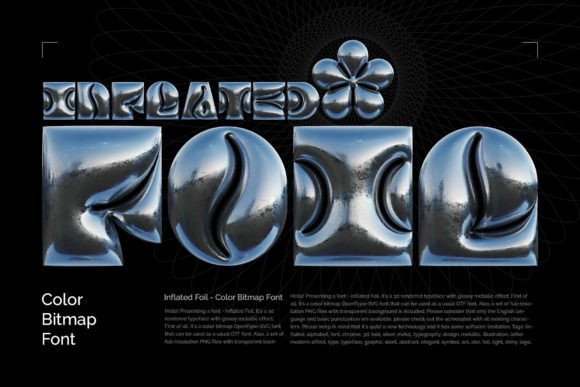
For designers, brand strategists, and small business owners, typography is the voice of the visual identity. While minimalism has its place, there are moments in branding where you need to shout from the rooftops that your product is exclusive, high-quality, and worth the investment. Inflated Foil is a stunning display font that boasts a glossy metallic effect, creating a sense of luxury and opulence. With its bold and captivating design, each letter is crafted to demand attention and add a touch of sophistication to any project. Perfect for branding, packaging, and advertising, this typeface adds a touch of metallic sheen to your work that standard fonts simply cannot replicate.
The Psychology of Gloss and Shine
Why do we associate metallic finishes with luxury? It is deeply rooted in psychology. Humans are naturally drawn to light and reflection. In nature, shiny surfaces often indicate water or valuable resources. In commerce, we associate gold, silver, and holographic finishes with jewelry, awards, and high-end electronics. When you use a font like Inflated Foil, you are tapping into this primal attraction. The "inflated" aspect of the design suggests dimensionality—it looks as though the letters are blown up like a balloon, with light catching the curves and edges just as it would on a physical foil sticker or embossed stamp.
This psychological trigger is vital for brand recognition. When a customer scrolls through a crowded social media feed or scans a shelf full of competitors, a glossy, 3D effect catches the eye faster than a flat, matte design. It signals that the content or product inside is special. However, because the font is so visually dense, it acts as a focal point. It is a tool for emphasis, not necessarily for body text. Think of it as the jewelry of your design layout—the statement necklace that completes the outfit, rather than the outfit itself.
Strategic Applications for Modern Brands
Understanding where to deploy a premium font is just as important as choosing it. Because Inflated Foil carries such a strong visual weight, it excels in specific scenarios where impact is the primary goal.
Logo Design and Wordmarks
For brands in the beauty, fashion, tech, or gourmet food industries, a wordmark (a logo made entirely of text) can be incredibly powerful. Using Inflated Foil for a wordmark creates an immediate association with quality. For example, a boutique candle company or a high-end auto detailing service could use this typeface to convey that their service is top-tier. However, legibility is key here. Ensure that the distinct shape of each letter remains clear when the logo is scaled down to the size of a website favicon or a social media profile picture.
Packaging Design
Packaging is the physical home of the metallic font. On a coffee bag, a bottle of hot sauce, or a box of luxury chocolates, the typography needs to pop. Inflated Foil works beautifully for the product name on the front of the package. It creates a visual hierarchy that guides the customer's eye immediately to the most important information. If you are designing for print, this font pairs exceptionally well with matte backgrounds—think a matte black box with a gold Inflated Foil title. The contrast between the flat background and the "shiny" text creates a tactile illusion that feels expensive.
Digital Marketing and Social Media
In the fast-paced world of Instagram and TikTok, stopping the scroll is the name of the game. Inflated Foil is an excellent choice for sale announcements, "New Arrival" tags, or header text on promotional graphics. Because it mimics a metallic texture, it adds visual interest without needing complex background illustrations. For a small business owner running a flash sale, using this font for the percentage off or the word "SALE" can create a sense of urgency and excitement that a standard sans-serif font might miss.
Mastering Font Pairings and Hierarchy
One of the most common pitfalls with display fonts is overuse. If every word on your poster or website is written in Inflated Foil, the design becomes cluttered and exhausting to read. The secret to using this typeface effectively lies in the art of the font pairing.
Because Inflated Foil is bold, bubbly, and highly stylized, it demands a partner that is quiet and understated. You need contrast to create balance. Here is a practical approach to pairing:
- Sans-Serif Partners: Pair Inflated Foil with a clean, geometric sans-serif font. Fonts like Montserrat, Lato, or Open Sans offer excellent readability for body text. The simplicity of the sans-serif allows the metallic display font to shine without competing for attention.
- Serif Partners: For a more editorial, magazine-style look, consider a classic serif font like Garamond or Playfair Display. This combination works well for wedding invitations or luxury editorial layouts where you want to blend modern gloss with traditional elegance.
- Script and Handwritten Fonts: Use caution here. While a script font can add a personal touch, ensure it doesn't clash with the "inflated" curves of the main headline. Usually, it is safer to stick to clean lines for the supporting text.
When establishing your hierarchy, use Inflated Foil strictly for H1 headers, hero text, or logos. Use your secondary font for sub-headers and body copy. This structure ensures that your design has a clear flow, guiding the viewer from the most impactful element (the metallic text) to the informational content.
Readability and Technical Considerations
While the aesthetic of Inflated Foil is undeniable, practical application requires attention to detail. As a display font, it is not designed for small text sizes. If you attempt to use this typeface for a paragraph of 10pt text on a website or a brochure, the glossy details will merge together, creating a muddy, illegible mess.
Testing is crucial. Before finalizing a design, print out a sample or view it on multiple screen sizes. Ask yourself: Can I read this from three feet away? Does the metallic effect look pixelated on mobile devices? Because the font relies on texture to create its "foil" look, low-resolution images can ruin the effect. Always use high-resolution assets when working with textured typography.
Furthermore, consider the background color. High-contrast pairings work best. A gold foil font looks incredible on dark navy, black, or deep forest green backgrounds. On white or very light backgrounds, the legibility might drop, and the "shine" effect might be less pronounced. If you must use a light background, look for the darker color variations of the font style, such as a "Rose Gold" or "Chrome" finish that offers more contrast than a bright yellow gold.
Licensing and Commercial Usage
For entrepreneurs and designers working on commercial projects, the legal side of typography cannot be ignored. Inflated Foil is a creative font, but before you launch a product line or a client campaign with it, you must review the licensing terms.
Most premium fonts come with specific licenses:
- Desktop License: Usually covers installing the font on your computer to create static images (logos, posters, print materials).
- Webfont License: Required if you want to use the text live on a website using CSS. This often involves a fee based on monthly page views.
- App License: Necessary if you are embedding the font into a mobile application.
- Server License: Required if you are building a tool (like a custom T-shirt maker) where your server generates the text using the font.
Always ensure your license covers the scope of your project. If you are a designer creating a logo for a client, you typically need to ensure the client has the appropriate license to use that logo commercially, or you must transfer the usage rights to them. This protects both you and the font creator and ensures your brand identity remains legally secure.
Conclusion
Inflated Foil is more than just a typeface; it is a design asset that communicates value instantly. It bridges the gap between the digital and physical worlds, offering a textural depth that flat fonts cannot match. Whether you are designing a logo for a startup, packaging a gourmet product, or creating a social media campaign for a holiday sale, this font provides the tools to make your work look polished, professional, and undeniably luxurious. By pairing it wisely, respecting readability limits, and adhering to licensing, you can harness the power of metallic typography to leave a lasting impression on your audience.